

Repair of friction layer delamination and spalling on carbon-ceramic brake rotors
Repair of friction layer delamination and spalling on carbon-ceramic brake rotors In early 2023, Rebrake GmbH developed a process that…

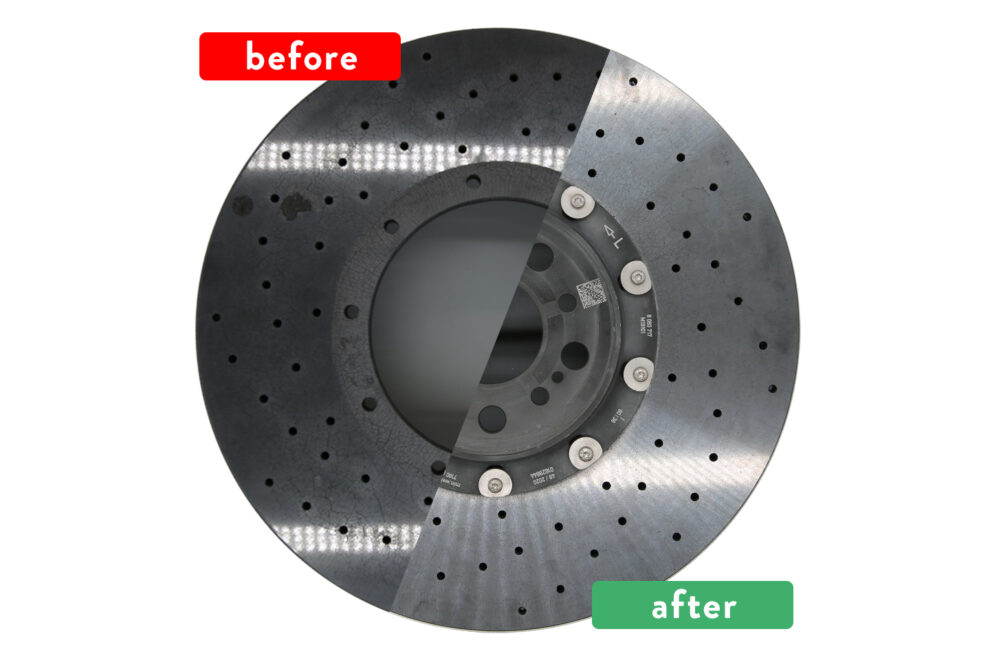
Repair of friction layer delamination and spalling on carbon-ceramic brake rotors In early 2023, Rebrake GmbH developed a process that…

Problem area on the safety component: Bolted connections on carbon-ceramic brake discs The carbon-ceramic brake disc was developed as a…
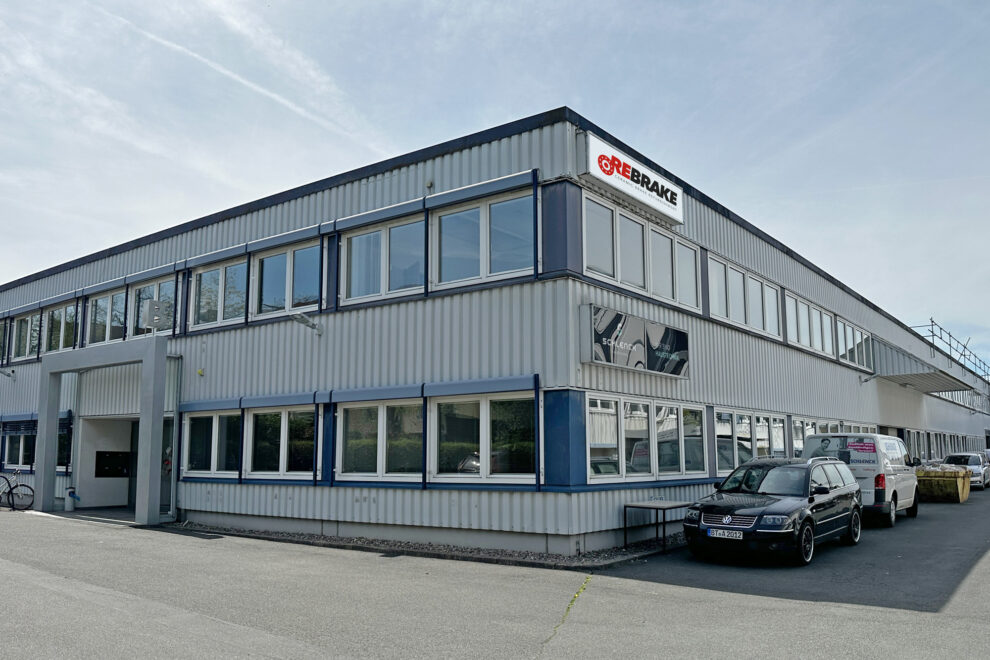
Carbon Ceramic Engineering in Bayreuth! In January 2023, REBRAKE opens its new production facility in Bayreuth, Bavaria. In the former…
Repair of friction layer delamination and spalling on carbon-ceramic brake rotors In early 2023, Rebrake GmbH developed a process that…
Problem area on the safety component: Bolted connections on carbon-ceramic brake discs The carbon-ceramic brake disc was developed as a…
Carbon Ceramic Engineering in Bayreuth! In January 2023, REBRAKE opens its new production facility in Bayreuth, Bavaria. In the former…
Rebrake is able to apply a new friction layer to carbon ceramic brake rotors from all over the world.
Rebrake raised capital, patented the new technology and started a new production facility in Bayreuth, Bavaria.
Mr. Dietz and his partners founded a new company called Rebrake GmbH. Rebrake bought the Slovenian technology. By chance, Rebrake was introduced to Walter Krenkel, PhD, and in cooperation with his department at the University of Bayreuth/ Bavaria, Germany, Rebrake developed a new and better technology that is based on heat, not vacuum to bond the liquified silicon carbide to the rotor. The new process heats the components to 1500 degrees Celsius, significantly improving the speed at which the bonding occurs. Other benefits include a harder friction layer and better control of the thickness of the friction layer.
Wolfgang Dietz founded a Start-Up and introduced a unique carbon ceramic brake refurbishment service, using a technology invented by a Slovenian engineer who had a manufacturing facility in Slovenia. The technology used vacuum to force the used carbon ceramic base rotor to absorb the liquefied silicon carbide. While the forced absorption was a revolutionary process at the time, it was slow, and controlling the thickness and quality of the friction layer was difficult.